

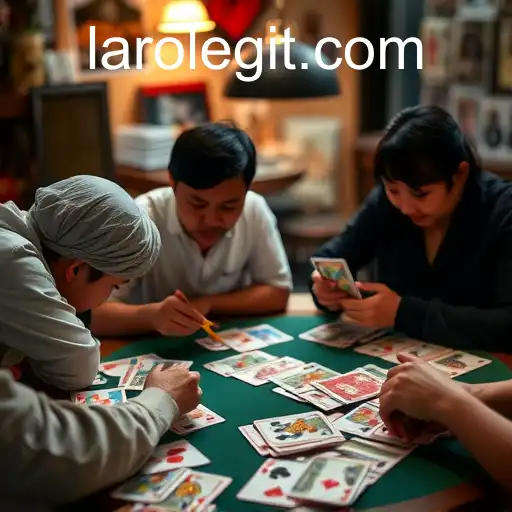

Card games have been a staple of social interaction for centuries, providing both entertainment and a mental workout for enthusiasts around the world. The term Laro often surfaces in discussions about card games, reflecting a cultural element that enriches the gameplay experience. In this exploration of card games, we'll delve into the intricacies and charm that Laro brings to this timeless pastime.
Card games have a long and rich history, dating back to ancient China, where the first playing cards were believed to be invented during the Tang dynasty. As these games spread across different cultures and continents, they evolved and took on new forms. The art of card playing, or Laro, became a universal language, transcending cultural boundaries and connecting individuals through shared play experiences.
By the 14th century, card games had made their way to Europe, where they underwent significant transformations. The decks we recognize today, with suits and numbered cards, grew in popularity. Classic games like Poker, Bridge, and Solitaire owe their roots to these early designs, each adding unique strategies and dynamics to the world of card games.
Laro, a term often associated with play and leisure in many cultures, embodies the spirit of enjoyment and camaraderie present in card games. For instance, in the Philippines, the word "Laro" holds a special significance, often referring to various forms of games and play. This cultural element infuses card games with layers of social interaction, drawing people together in a shared, often competitive, space.
Card games like Pusoy, Tong-its, and others are popular pastimes in the Philippines. These embrace the concept of Laro, focusing not only on the mechanics of the game but also on the social aspects that make game nights memorable. Families and friends gather, exchanging strategies and stories, creating an environment rich in tradition and connection.
The diversity of card games reflects the flexible nature of Laro. There are myriad game types that embody the principles of strategic thinking, luck, and skill; card games are truly a microcosm of life itself. Here we explore several prominent categories that highlight this diversity:
Examples of trick-taking games include Bridge and Spades, where players aim to win a certain number of tricks in each hand. These games rely heavily on strategy, making them a perfect blend of skill and the art of Laro.
Matching or shedding games, such as Uno and Crazy Eights, focus on players matching cards by number or suit. The excitement in these games lies in the unpredictability of each play, echoing the playful spontaneity found in Laro.
Solitaire and its numerous variations cater to solo Laro. These games challenge individuals to think several moves ahead, providing both relaxing and stimulating experiences. Online platforms have expanded the reach of these games, drawing a global audience into the world of solitary Laro.
The digital revolution has transformed Laro into a global phenomenon, accessible at the click of a button. Online card games have surged in popularity, transcending geographical limitations and allowing players to connect worldwide.
Platforms offering digital card games replicate the experience of traditional Laro while adding new elements to enhance engagement. Interactive features, online communities, and global tournaments have made card games more competitive and inclusive, driving interest to unprecedented levels.
The social aspect of card games is a testament to the essence of Laro. As players gather around a table, the exchange of banter, laughter, and thoughtful contemplation energizes the room. These moments of interaction, whether face-to-face or virtual, highlight the unique ability of card games to bring people together.
Even in a digital age, gatherings centered around Laro remain prevalent. Whether in casual home settings or competitive environments, players continue to enjoy this immersive form of entertainment, ensuring the longevity and vibrancy of card games for future generations.
Ultimately, the appeal of card games lies in their ability to engage both mind and soul. With each shuffle and deal, cards create an intricate balance of chance and strategy, embodying the quintessential Laro experience. Whether played among friends, family, or strangers, card games continue to usher in moments of joy, challenge, and connection.
In conclusion, card games remain a beloved global pastime, constantly evolving yet steeped in tradition. The cultural nuance of Laro adds depth to these games, ensuring their place in the tapestry of human interaction. As technology and society evolve, card games will undoubtedly continue to thrive, offering endless opportunities for both play and social engagement.

Explore the thrilling world of LionGems3pots, a captivating game offering exciting challenges and immersive gameplay.

Discover EnergyJoker, an innovative game that blends strategy and entertainment. Learn about its features, rules, and how it connects with current trends.

Explore the dynamic world of WingChun through its unique blend of traditional martial arts and innovative gameplay.

Dive into the captivating universe of GoodFortuneM, exploring its intriguing game mechanics, rich narrative, and interactive gameplay.

Discover the thrilling experience of LuckyWheel, exploring its gameplay, rules, and its unique placement in the current gaming landscape.

Dive into the thrilling world of BullFever, an innovative game experience that combines traditional culture with modern gaming dynamics. Learn about its unique gameplay, rules, and how it resonates with current trends.
